Our videos are easy to use and can help you set a tone to prepare a class for learning, or immediately address an issue in the moment. Our videos can be used as pre-teaching or re-teaching tools for regulation and behavioral skills. These videos are made by teachers for teachers of all kinds.
We get it. We offer solutions that build a community of support, so you can foster a climate of social and emotional growth, so all can thrive academically.

Learn how to compromise, stay flexible, and solve conflicts using “Both/And” thinking.
Gratitude and noticing “glimmers” can help calm the brain and build emotional resilience.
Helping the right way means noticing, asking, and respecting others. And why thoughtful helping builds confidence and stronger connections.
How to stay calm, set boundaries, and respond confidently when others project their feelings unto us!
Feedback can feel like a personal attack, learn how to neutralize it into just information and maybe even find ways to grow!
Our brains quickly create stories, but they’re not always accurate. Learn to pause, ask questions, and choose curiosity over assumptions.
Feeling bored? Turn it into curiosity and discover new ways to keep learning.
The Learning Pit explores why struggle, mistakes, and perseverance lead to real learning.
A partner strategy that builds listening, speaking, and respectful classroom communication skills.
Name, notice, and neutralize our emotions when we find ourselves triggered by internal conflict.
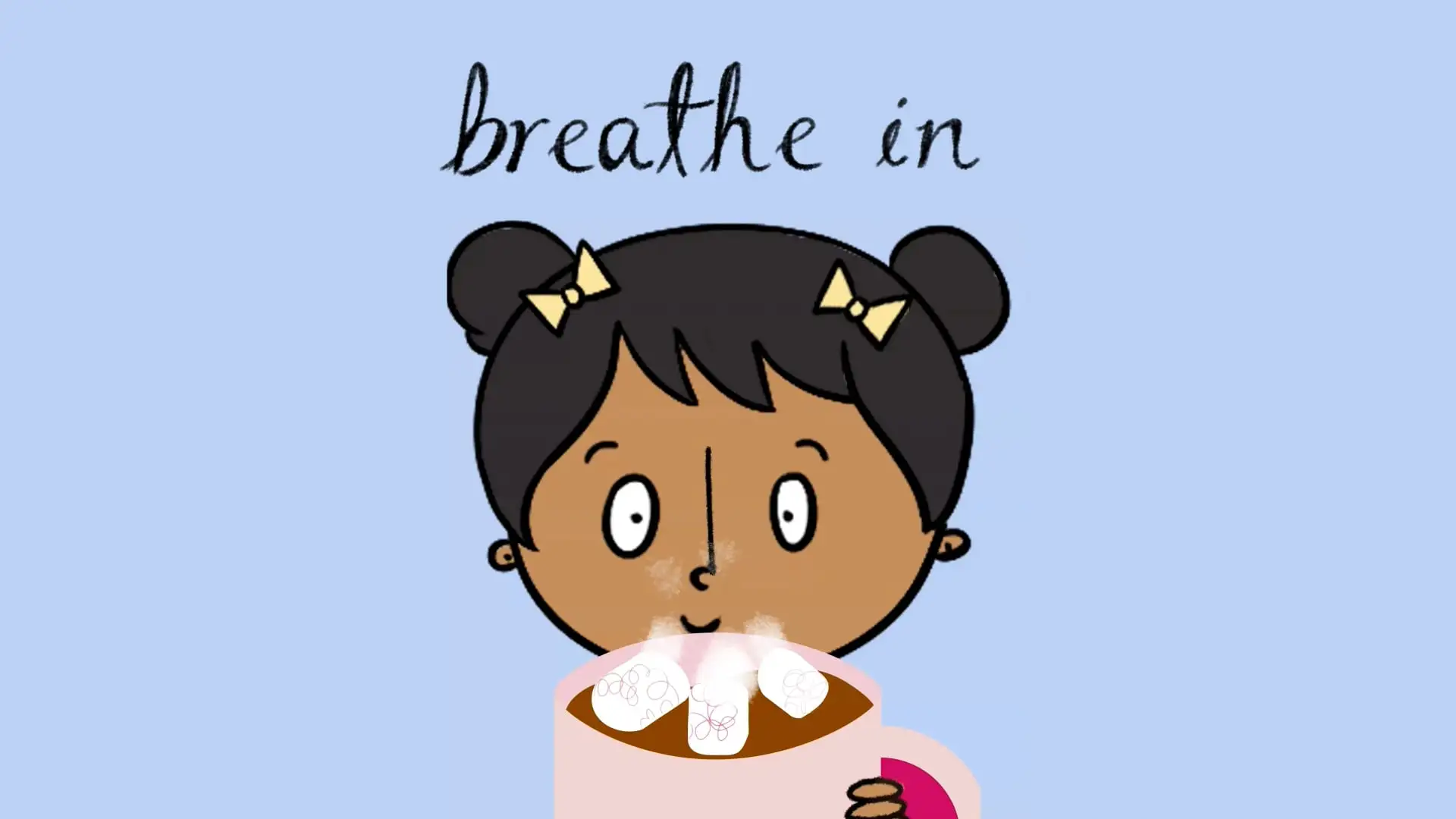
Try this breathing exercise to cool down, just like a cup of hot cocoa!
Take a moment of PAUSE in your day to breathe along with this flower in bloom. Remember you are blooming, too!
Mindfulness guide for educators.
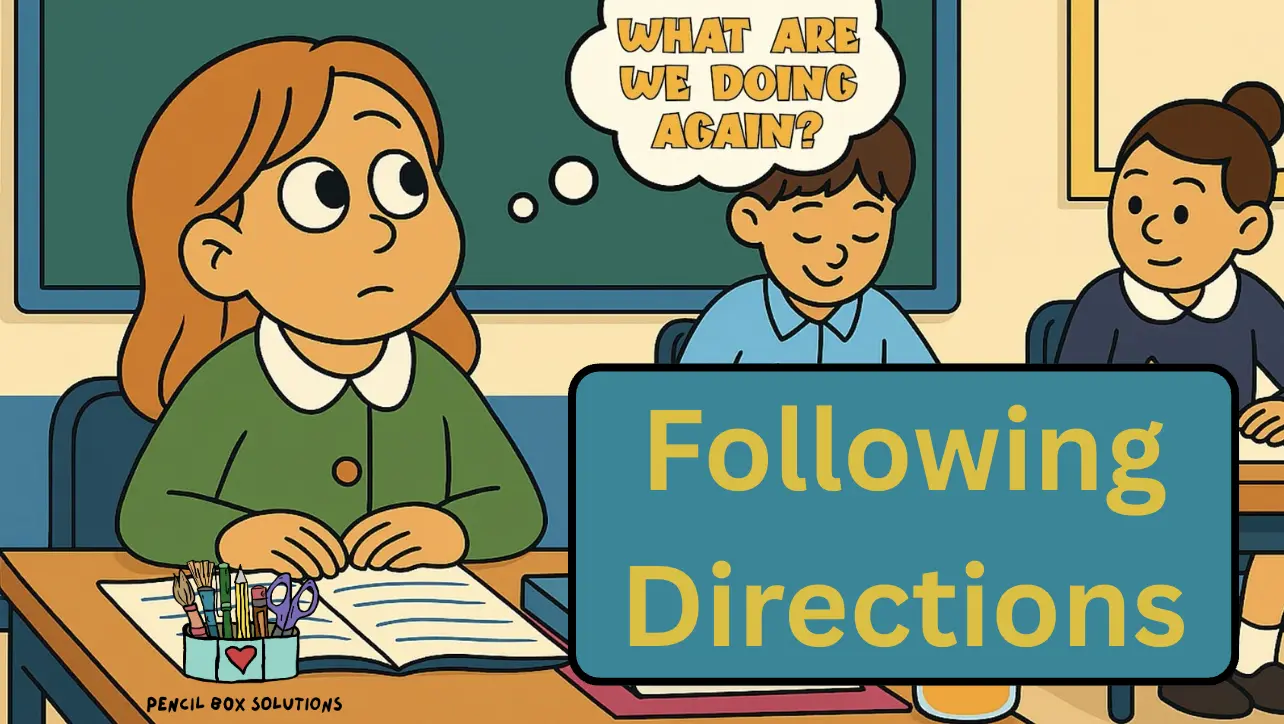
Day 2: Self-regulation helps students confidently refocus without panic or shame and get back to work.
Day 3: Helps students learn to prioritize tasks, manage time, avoid distractions, and become confident, independent learners.
Day 1: Three fun kid-friendly strategies to help students refocus and get “back on track.”

Day 5: Learn to own mistakes, apologize with care, fix what you can, and move forward confidently.
Day 2: Taking Turns, Sharing, and Being Okay with Losing is all part of building friendships and keeping friendships.
Day 2: Discover how adding “YET” turns frustration into confidence and growth.
Day 4: Discover how kind words and small acts of kindness can make a big difference every day.
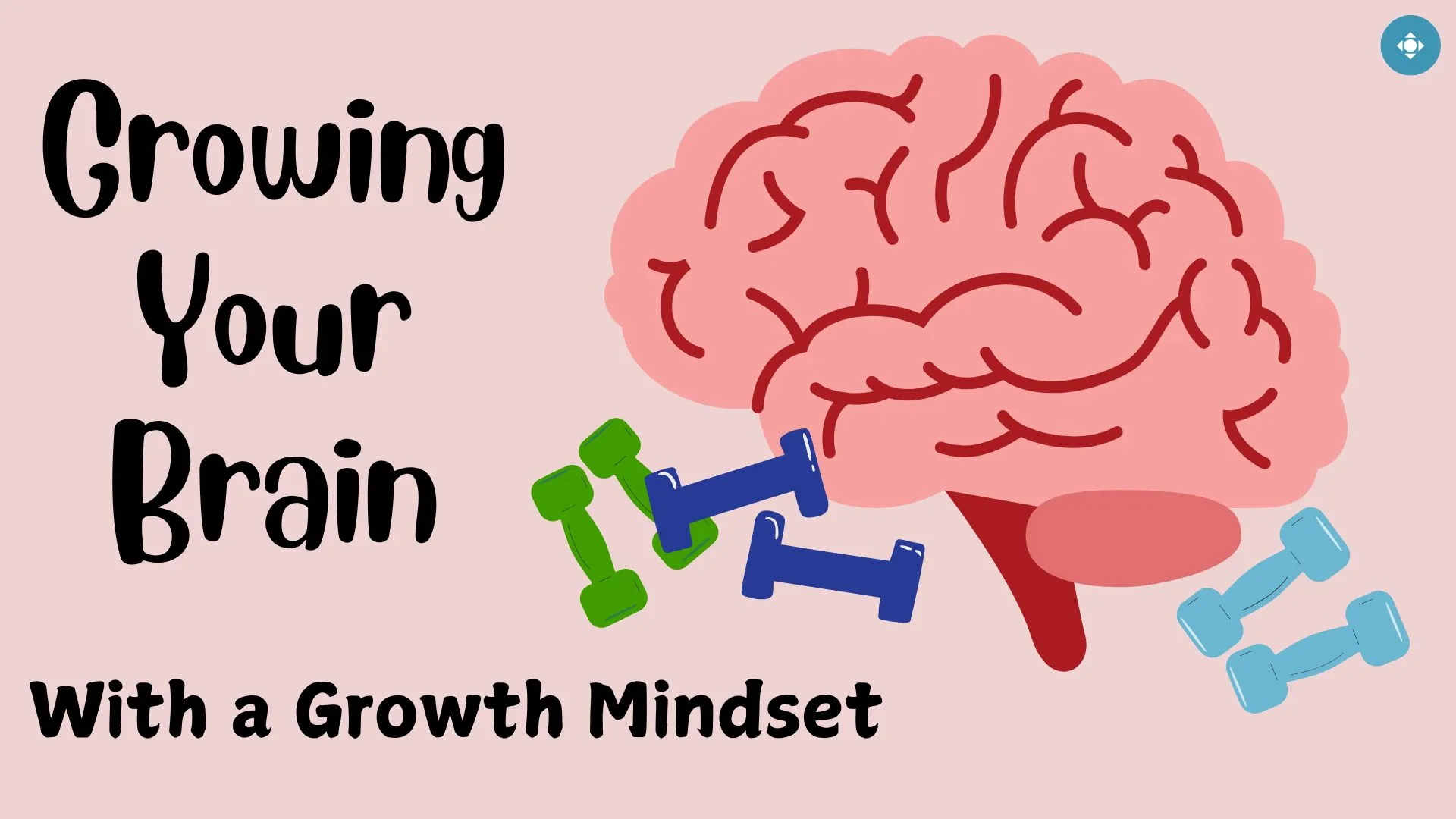
Day 1: Learn how mistakes and effort grow your brain and build confidence through a growth mindset.
Day 3: Whole body listening isn’t just polite, it’s powerful. When we listen with our whole selves, we make others feel valued, and that respect comes right back to us.
DAY 1: Making friends is about kindness and curiosity. Keeping friends is about trust and respect. Being a friend is about showing up.
DAY 4: Everyday “bugs” teach kids to notice, name, and regulate their emotions.
DAY 1: You might feel like you don't fit, but you're the missing piece And we're all part of this puzzle, cause there's no one like you and there's no one like me.
DAY 1: You and me, we belong! A great start to the school year! We ALL belong here!
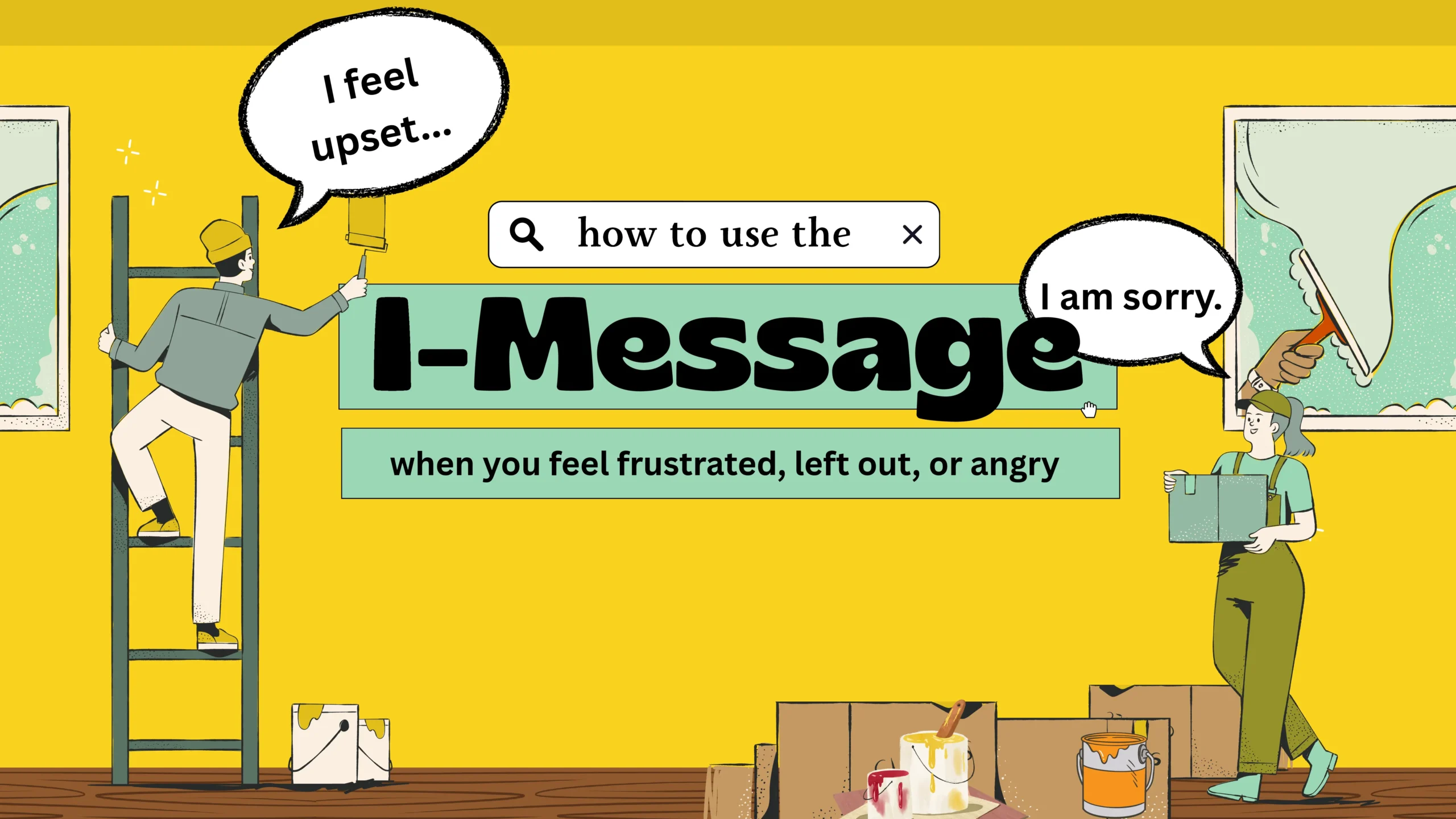
I-Messages teaches kids how to resolve issues with confidence, kindness, and courage—and helps them build stronger, more respectful relationships.
When you see something you really, really like, you might be tempted to take it. This video explores the consequences of taking things and alternatives for what we can do when we are faced with temptation.
Co-regulation is easily taught and transferrable to others just through basic modeling!
Keep on pushing on, and conquer the end of year slump the last few weeks of school.
Day 4: Students can grow their self awareness around times of work stamina and work avoidance.
In this song, emotions are like colors that show up together and even blend!
Ignoring muscles are powerful tools to avoid distraction!
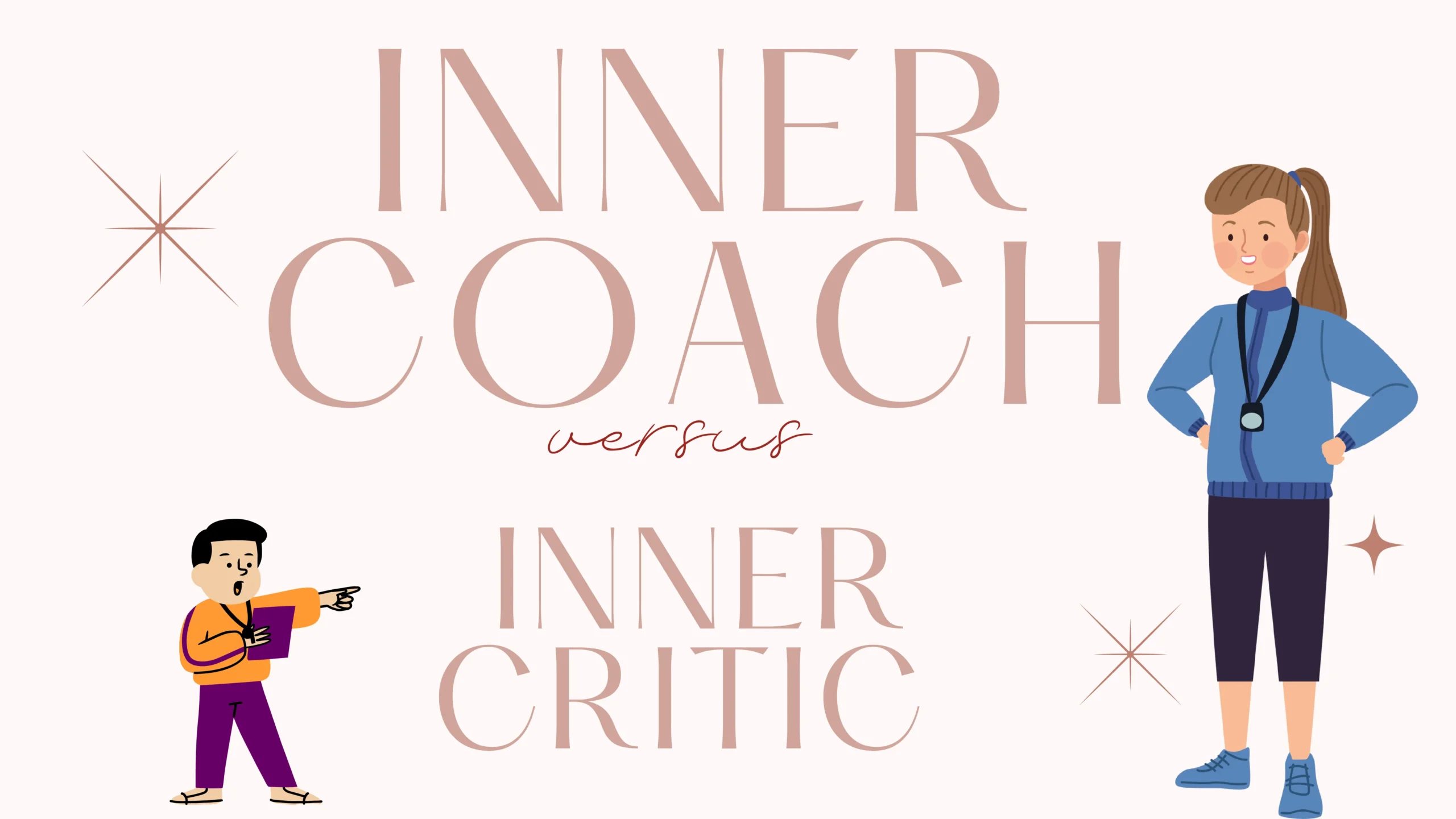
Learn how to listen to the Inner Coach and ignore the messages from your Inner Critic.
Day 5: Catchy song to own your actions, apologize, and move on!
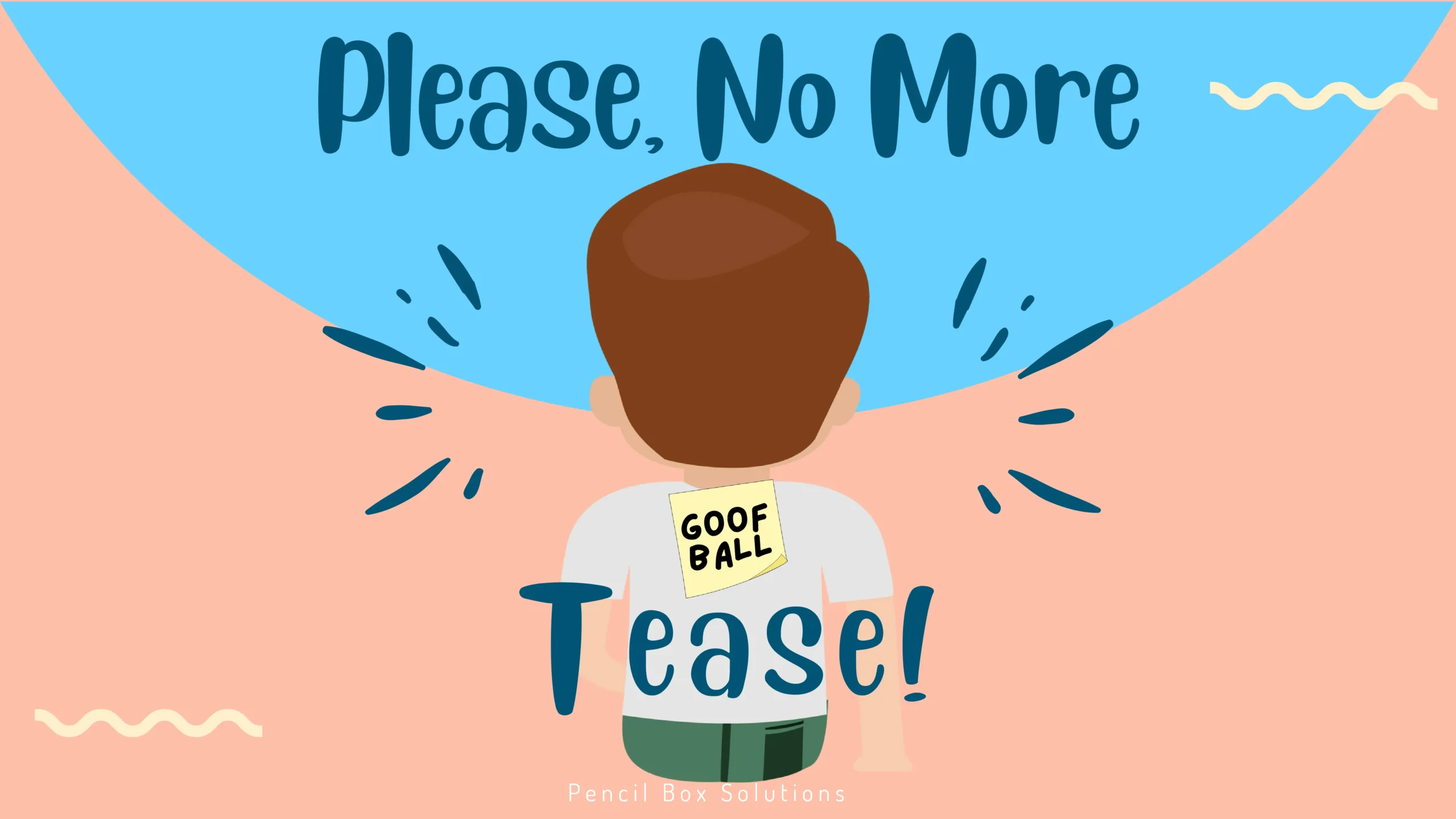
Teasers often are looking for a reaction, here are practical tools for not letting them get the best of you.
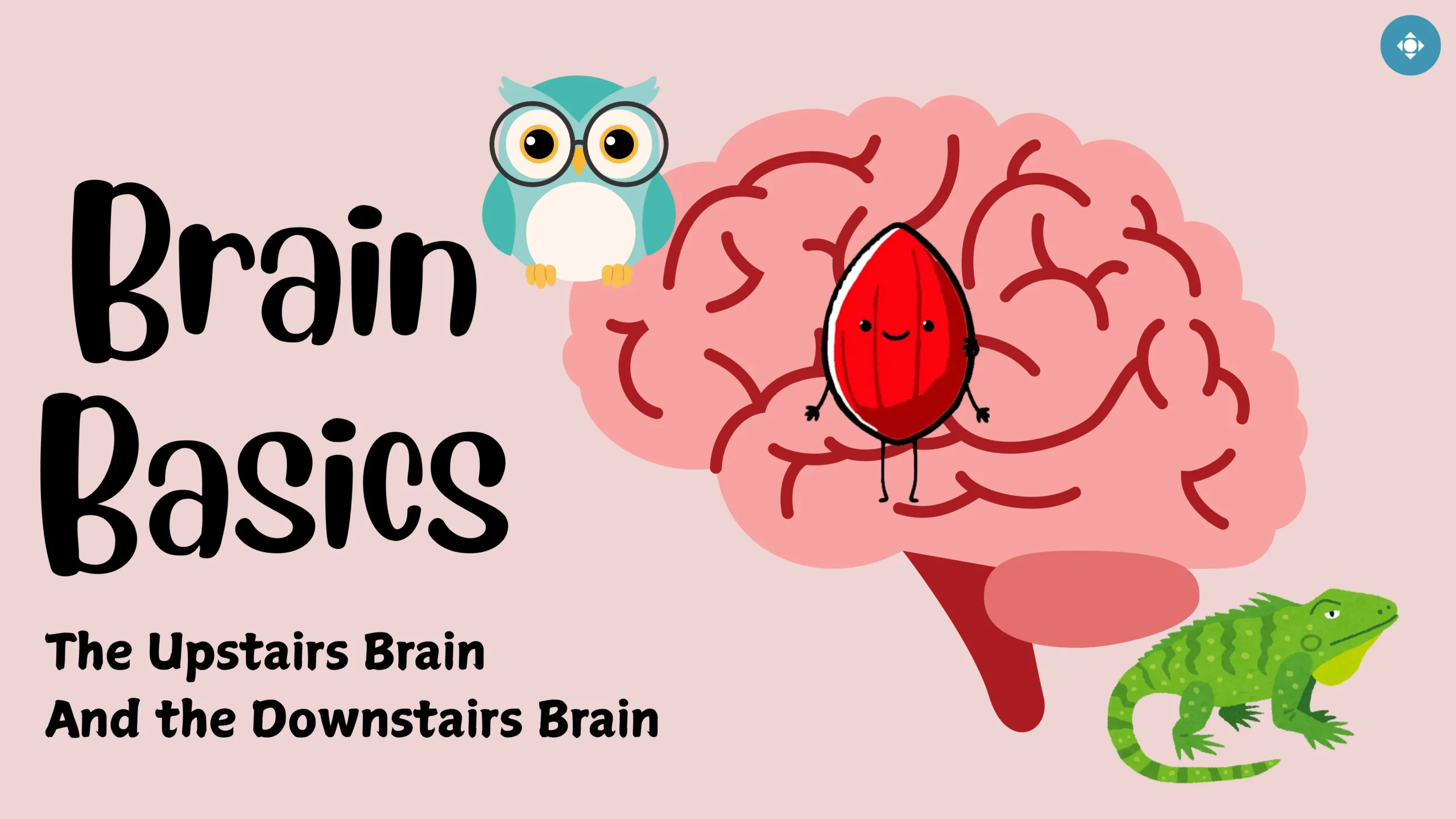
Our brains are like a house, with an upstairs and a downstairs. Learn the hand brain model from the work of Dr. Daniel Siegel.
Box breathing, also known as square breathing, helps to improve emotional regulation.
DAY 3: Use this mindfulness journey to reset with students.
Transitioning back from break can feel overwhelming. This video helps ease the transition. (Great to show BEFORE leaving for the break and AFTER to provide strategies for a smooth transition.
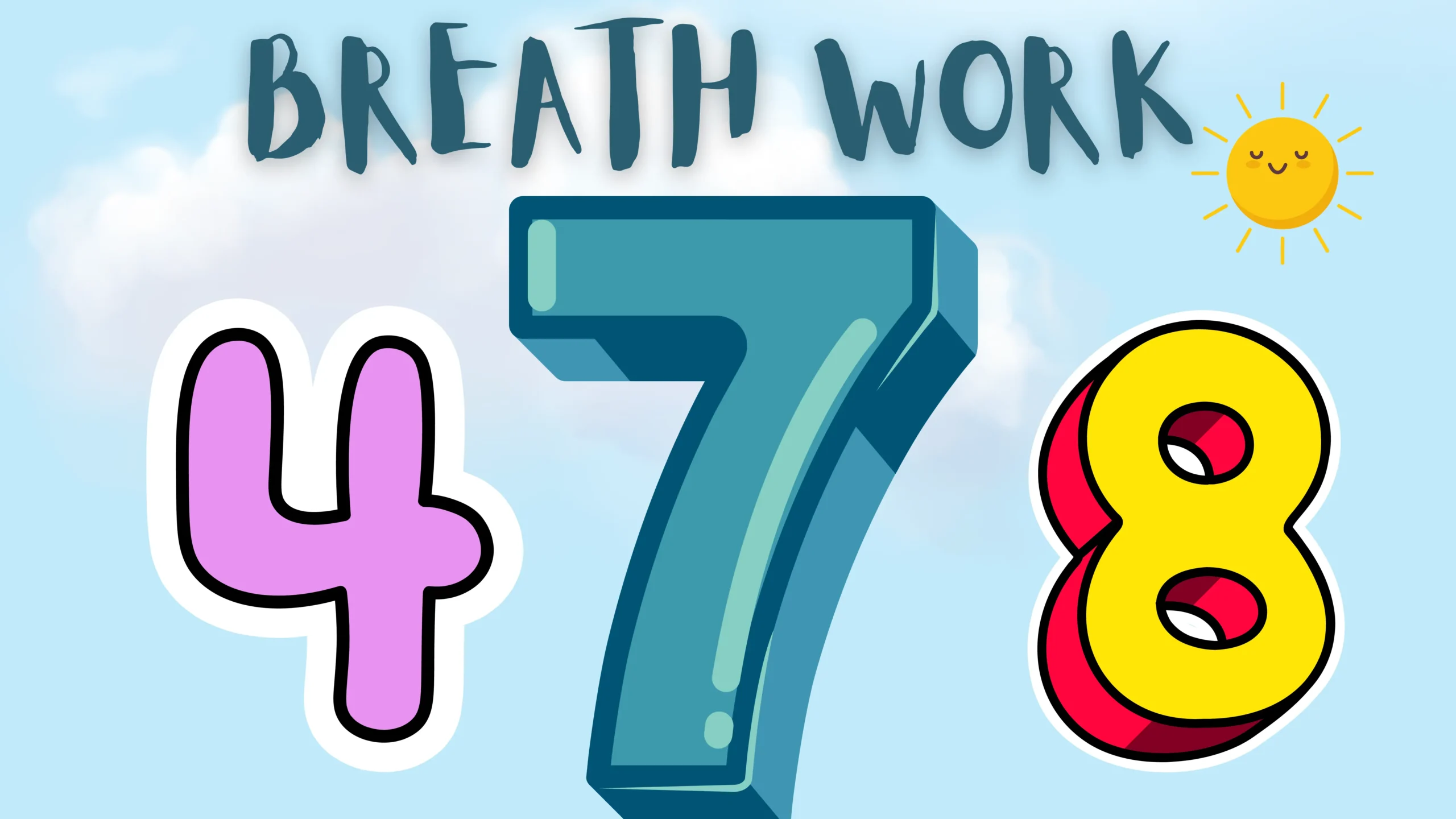
Practice the 4-7-8 breath when putting using PBS (Pause, Breathe, Smile)!
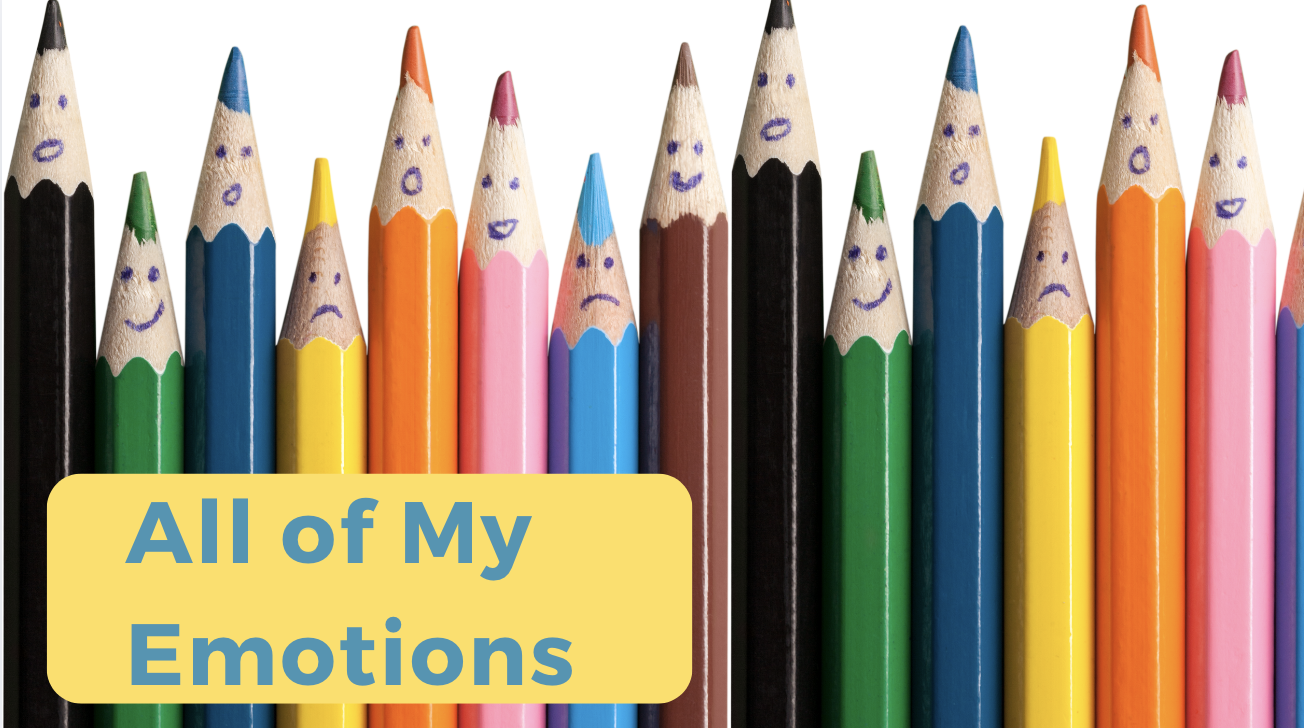
Becoming aware of our emotions is the first step in recognizing what we are feeling.
Self Control, part 2. No one likes to be uncomfortable, learn ways to sit with discomfort and practice self control.
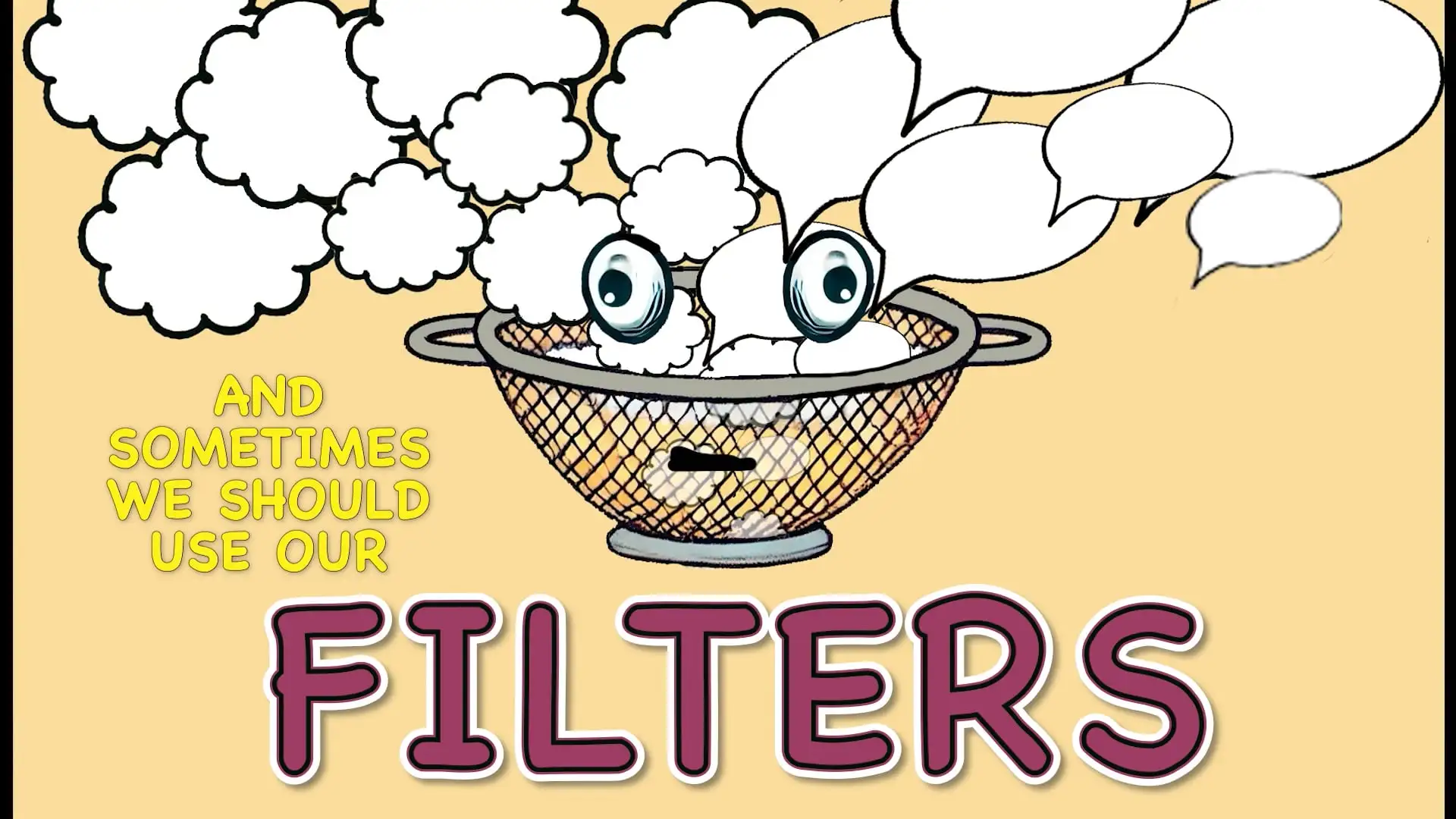
A more in depth look at what a talk filter is, and when and how to use it.
DAY 2: The size of the reaction should fit the size of the problem. Help students learn to notice the difference.
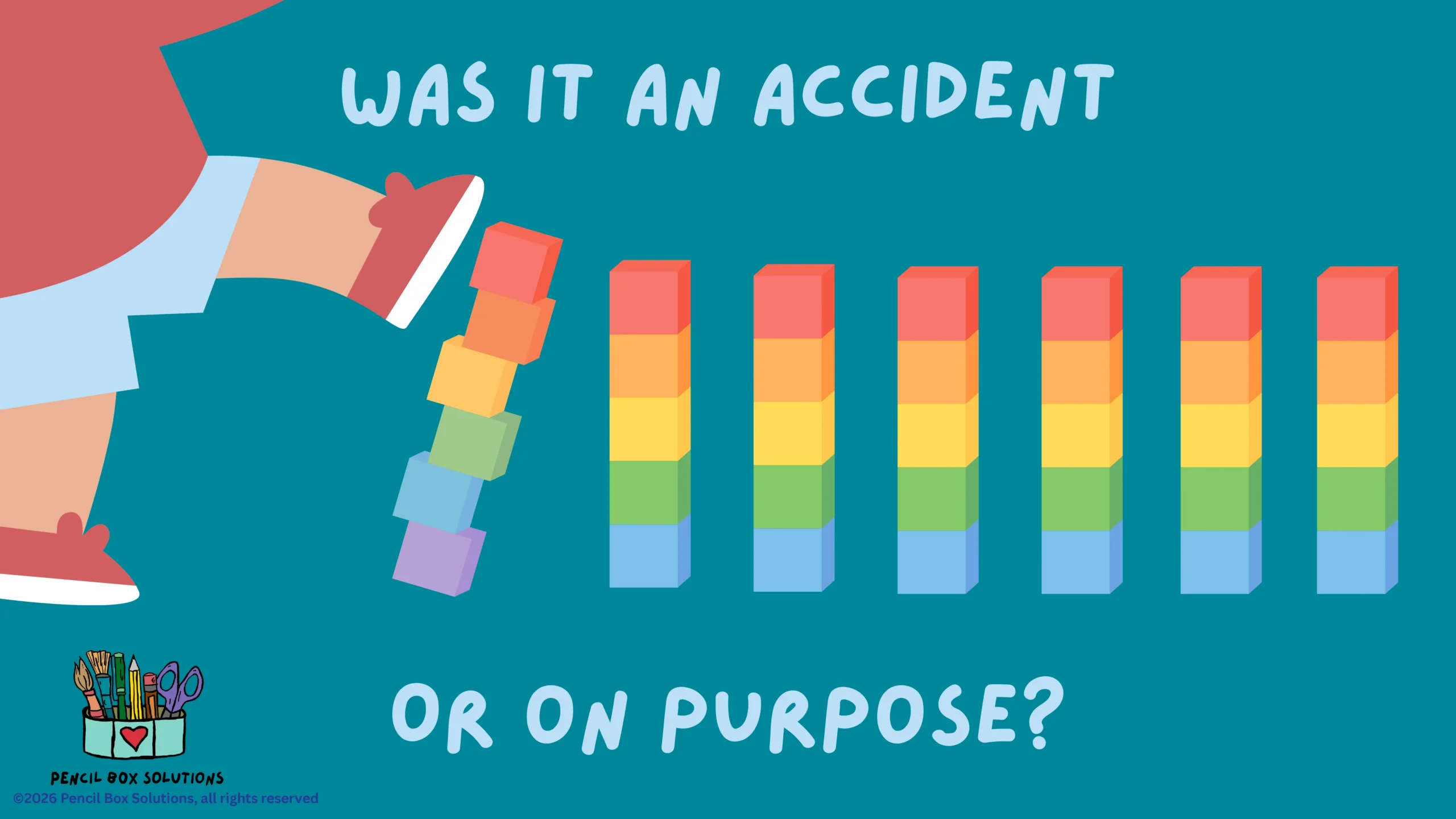
When something happens we jump into blame placing. Learn to handle the disappointment, even if something was an accident.

The first day of school brings a variety of feelings and emotions that creep in. This video acknowledges all the feels of the first day of school.
Name, notice, and neutralize our emotions when we find ourselves triggered by external conflict.
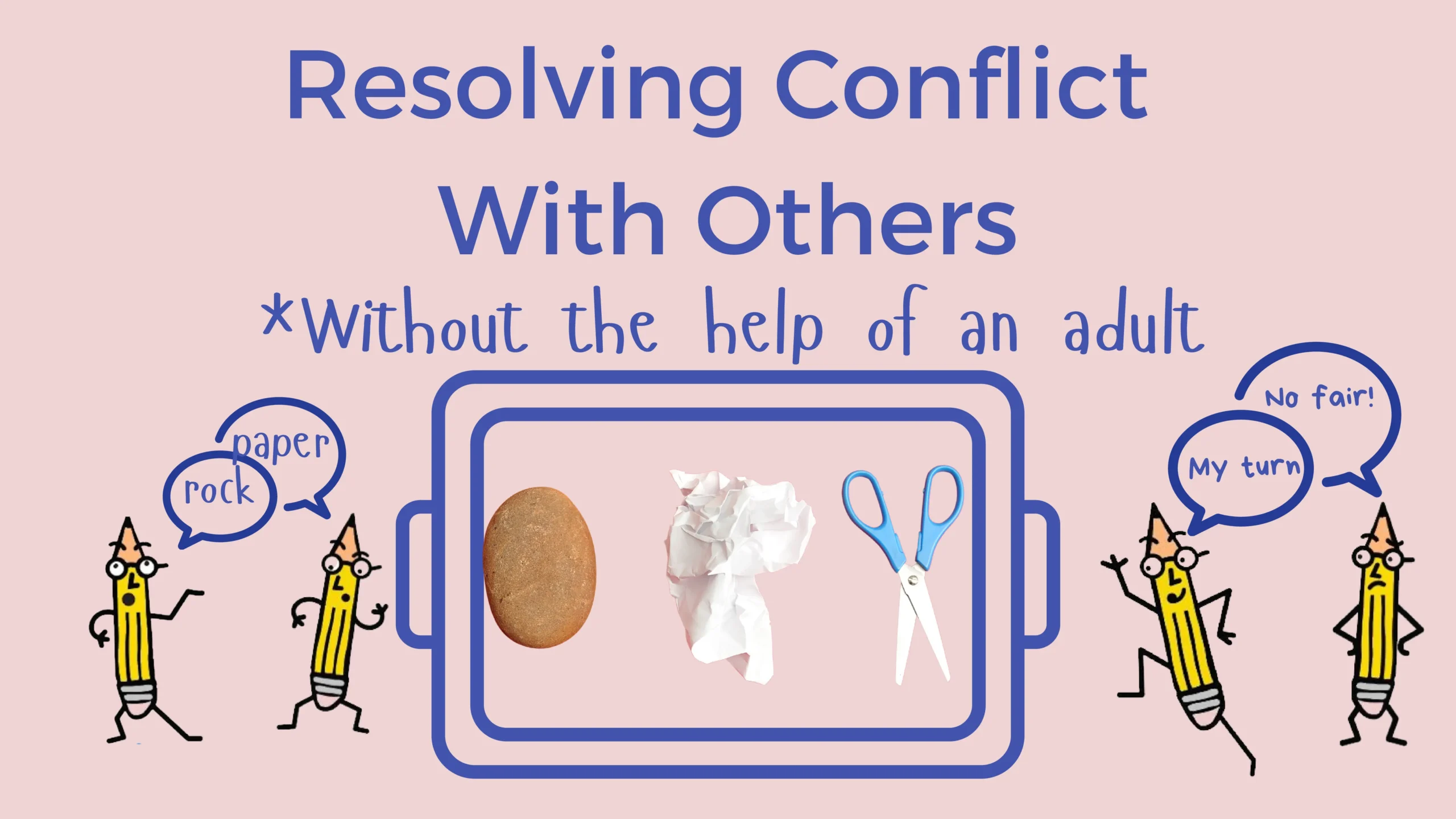
Determine the size of the problem first, so then you can choose the best tool for resolving the conflict and moving on!

Our very own Chip Chipperton will guide us into recognizing signs of expected and unexpected behaviors. We dig deep into how to handle unexpected behaviors in ourselves and others.
Begin to recognize the signs of blame shifting, O-YA (Own Your Actions), apologize, and move on.

Self Control, Part 1 Say Good-Bye to Impulsivity
Help students nuance the times when we should be "helpful" or when we show just mind our own business because our help isn't needed or even wanted!
Whether it was an accident or on purpose, learn the art of the sincere apology.
We often see others from a place of judgment instead of a place difficulty. Develop empathy by viewing others from a place of empathy.
Sometimes the friends we choose don't bring out the best in us, and we might not bring out the best in others either. Help to choose friends that will fuel healthy connections and friendships, not toxic ones.
We assign meaning and make assumptions often, help students gain awareness and with curiosity, and hold off on judgment until you have gathered all of the information.
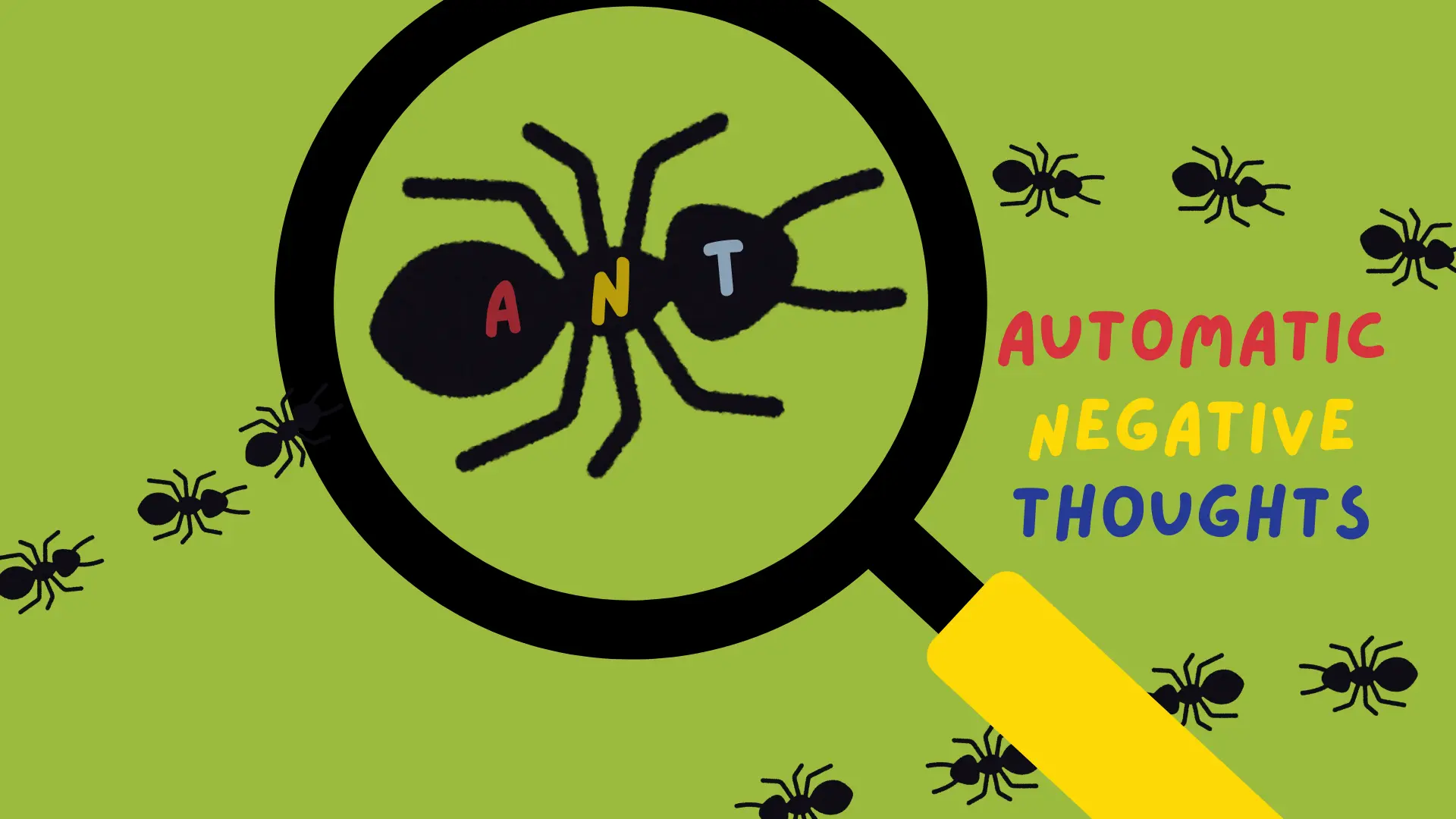
How to notice and reframe your Automatic Negative Thoughts (A.N.T.s).
DAY 5: When we are overcome with big emotions we need a strategy to help us regulate again. PBS: Pause, Breathe, Smile will help teachers and students alike regulated big emotions.
Thought bubbles, talk bubbles, and learning to use our filters. It helps students know the difference.